
 Battery Match
Request for Proposals
2027 Requests for Proposals
CBI is inviting proposals for research that explains and improves how batteries perform in service. Download the full Request for Proposals for topics, requirements and how to submit.
Download RFP Summary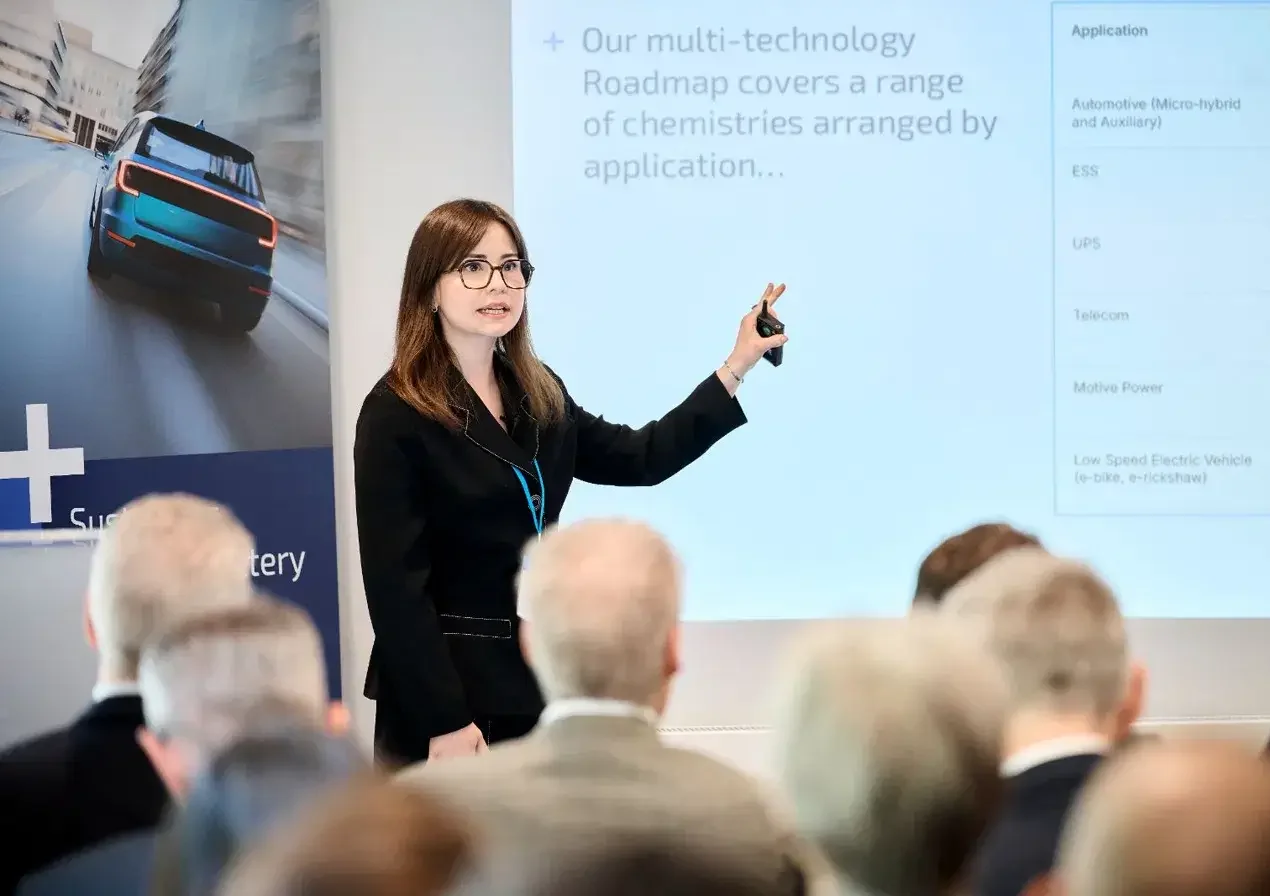
About the Programme
CBI funds pre-competitive research on behalf of its members: work that answers shared questions no single company would tackle alone. Each Request for Proposals (RFP) is targeted at the key performance indicators in the CBI Global Technical Roadmap. For 2027, the programme spans lead, lithium-ion, sodium-ion and zinc batteries, grouped into four application themes. Projects are funded from each technology track's allotted budget, and are selected by member review, available funds and alignment with the Roadmap. Organisations can take part by carrying out the research, by funding the work, or by joining CBI.
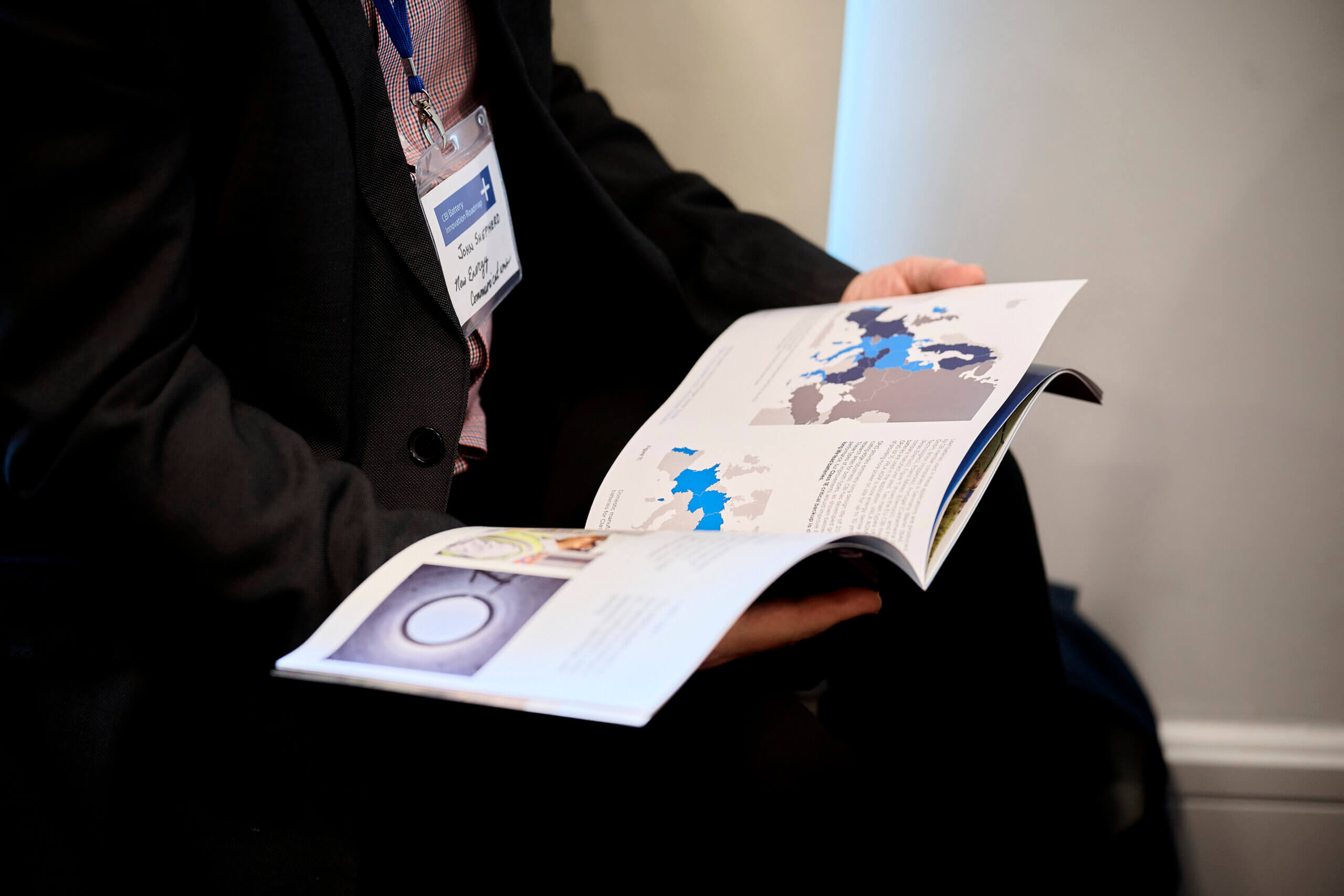
Available battery technology types focus on diverse innovation areas based on current technical challenges and differing advantages per technology. Challenges for lead, lithium-ion, sodium-ion, and zinc are discussed in detail in the CBI Global Battery Roadmap, but are summarized as follows:
Discover the Global Roadmap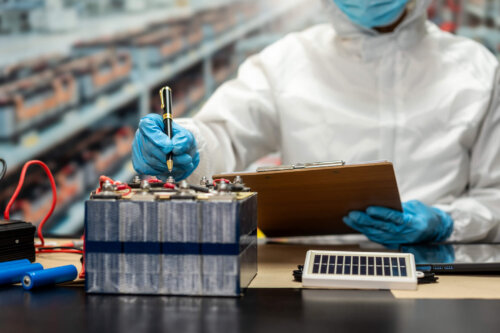

Sodium-ion batteries are unproven in many applications. More benchmarking in UPS and low-voltage automotive applications would help. So would thermal testing for ESS and UPS, and a deeper understanding of charging using non-invasive techniques. This work would answer questions about low-temperature performance and safety in important markets.
Lithium-ion batteries and systems would benefit from BMS developments that cut unnecessary faults or trips. They also need a better understanding of how to integrate lithium-ion systems into grid-forming applications for utilities and data centres.

Lead batteries need longer total operational life. Developments in battery management systems (BMS) and in-depth diagnostics research would help. So would benchmarking performance in critical support for EVs and in AI data centre duty cycles.
Zinc-based batteries cover a broad range of technologies, from NiZn to zinc-air. Understanding their performance in UPS is a primary goal. A better understanding of failure mechanisms, and of how performance differs between zinc technologies, will guide further research and show which applications suit them.
Research Areas of Interest
Benchmarking, test methods, battery management and zinc microcycling.

Research Areas of Interest
12 V benchmarking, BMS comparisons, sodium-ion charge acceptance analysis using advanced techniques, and advanced AGM separators for lead batteries.

Research Areas of Interest
Lift-truck costs, lithium-ion BMS faults, and e-bike and e-rickshaw comparisons.

Research Areas of Interest
Battery condition and product improvement

RFP Summary
Download the full RFP for the scope and requirements of each topic, or see the key dates and how to submit below.
Download RFP Summary
Send your proposal to Anita Wright by tapping the button below. An expert panel reviews every proposal, then CBI members score and rank them. Interested in funding a project or joining CBI instead? We’d like to hear from you too. Submission deadline is 19th January 2027.
Email your proposal now

2026 Consortium for Battery Innovation. All Right Reserved.