 Battery Match
EU Commission sets 200 gigawatt target by 2030
Europe must accelerate the “exploitation and deployment of energy storage capacities as a priority for the coming years.”
That’s the conclusion of EU policy makers in an Electrification Action Plan published by the European Commission in Brussels.
It sets a target of 200 gigawatts of energy storage by 2030, rising to 500 gigawatts in installed by 2040.
The Commission plans to hold a high-level conference to assess barriers and look for solution for storage.
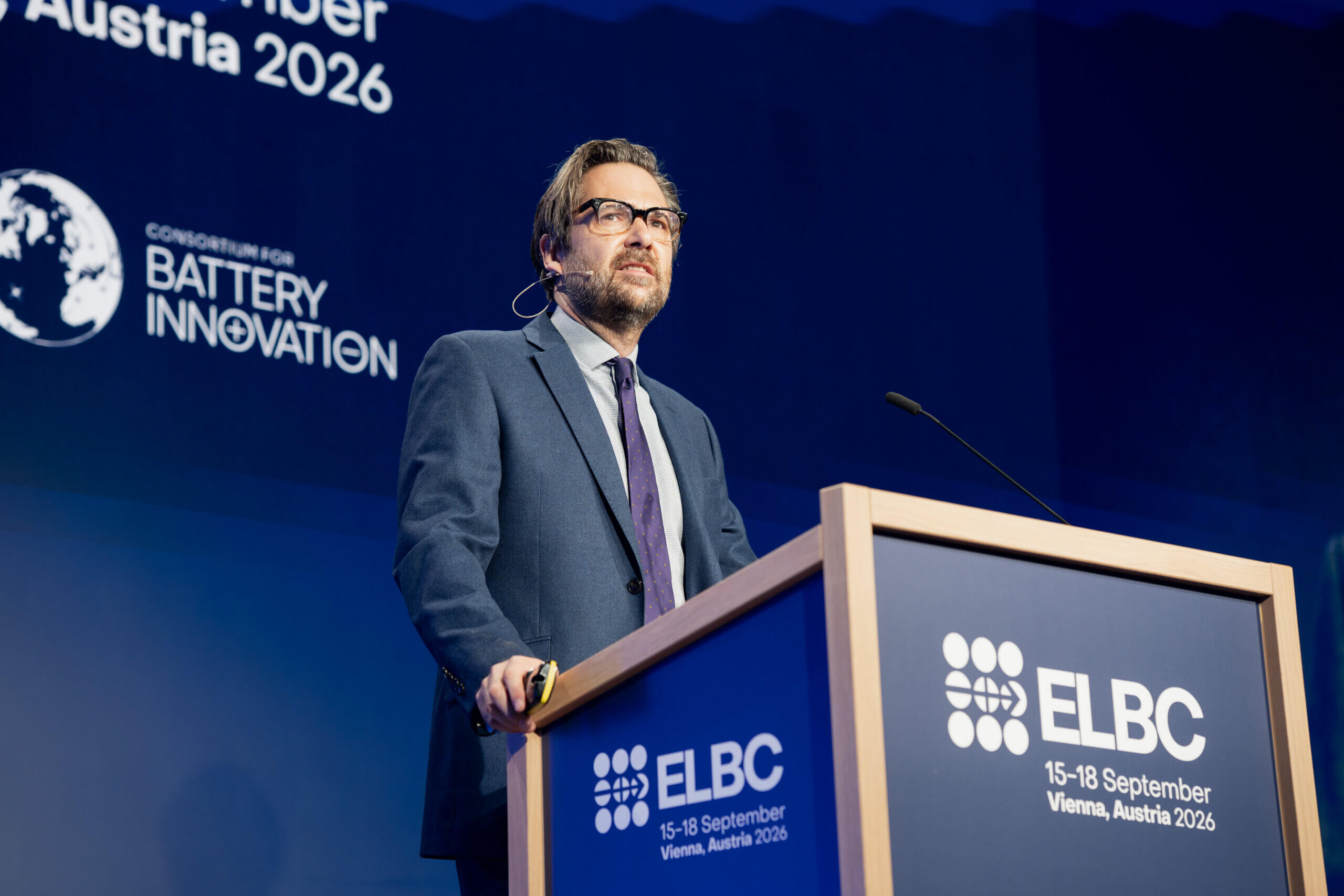
“This is a potential game-changer and a significant opportunity for Europe’s battery industry,” said Dr Alistair Davidson, Executive Director of the Consortium for Battery Innovation.
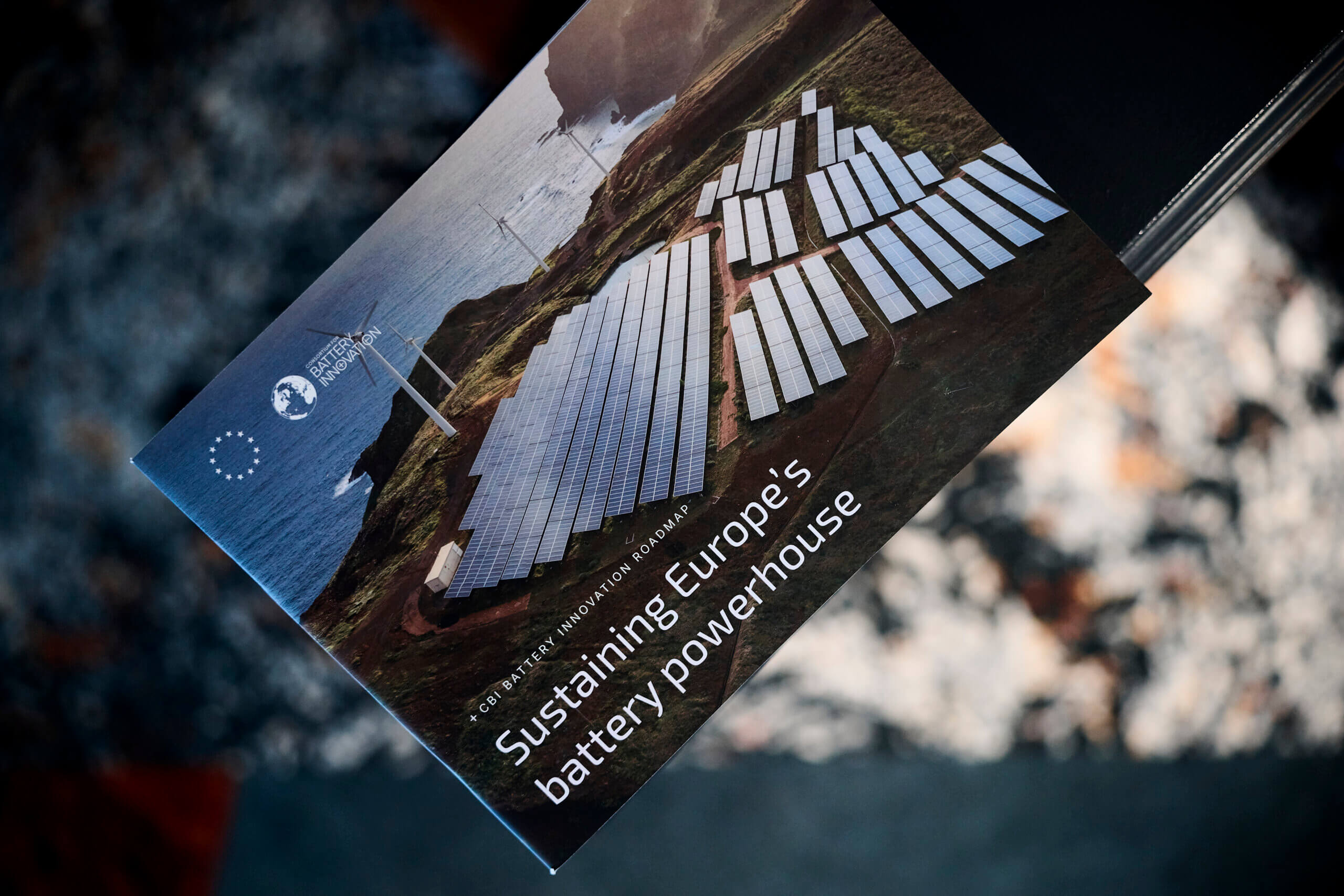
“There is a huge potential for battery chemistries to support short and long-duration energy storage from grid level to domestic and behind-the-meter applications. Our European Innovation Roadmap refers to a KPMG study which found lead battery storage alone could support up to seven per cent of energy storage demand, which is itself a significant market segment.”
The drive to move from fossil fuels to electricity will make Europe the first “electro-continent” according to the EU’s Energy Commissioner Dan Jørgensen.
The move sits alongside the proposed Industrial Accelerator Act which aims to promote public investments in electrification with ‘Made in EU’ products, in a bid to boost EU manufacturing.
Dr Davidson added: “The EU benefits from a highly advanced lead battery manufacturing industry and it’s vital that decision-makers make the most of existing and new capabilities to meet overall energy storage targets.”
The Consortium for Battery Innovation supports research and development projects for advanced lead batteries and other technologies including sodium.



13/07/2026
18/06/2026


2026 Consortium for Battery Innovation. All Right Reserved.